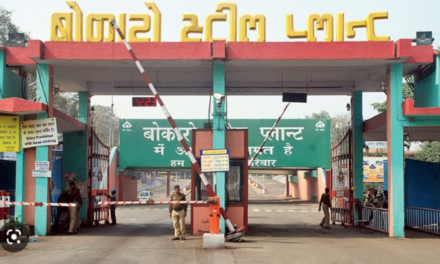
A young digital marketer walked into my office recently. Sharp, well-read, full of ideas. He and his friend are building their first digital marketing agency — right here in Bokaro.
I listened to his pitch for our resort. They — he and his partner — had a good strategy, solid skills, and a knack for it (at least that’s what it felt like from his past campaigns). And then he said something that made me pause, and then smile.
“People here just don’t seem to get the value of what we’re offering.”
I smiled but not because it was funny. No, I smiled because I said the exact same thing 21 years ago and have been repeating it endlessly since then.
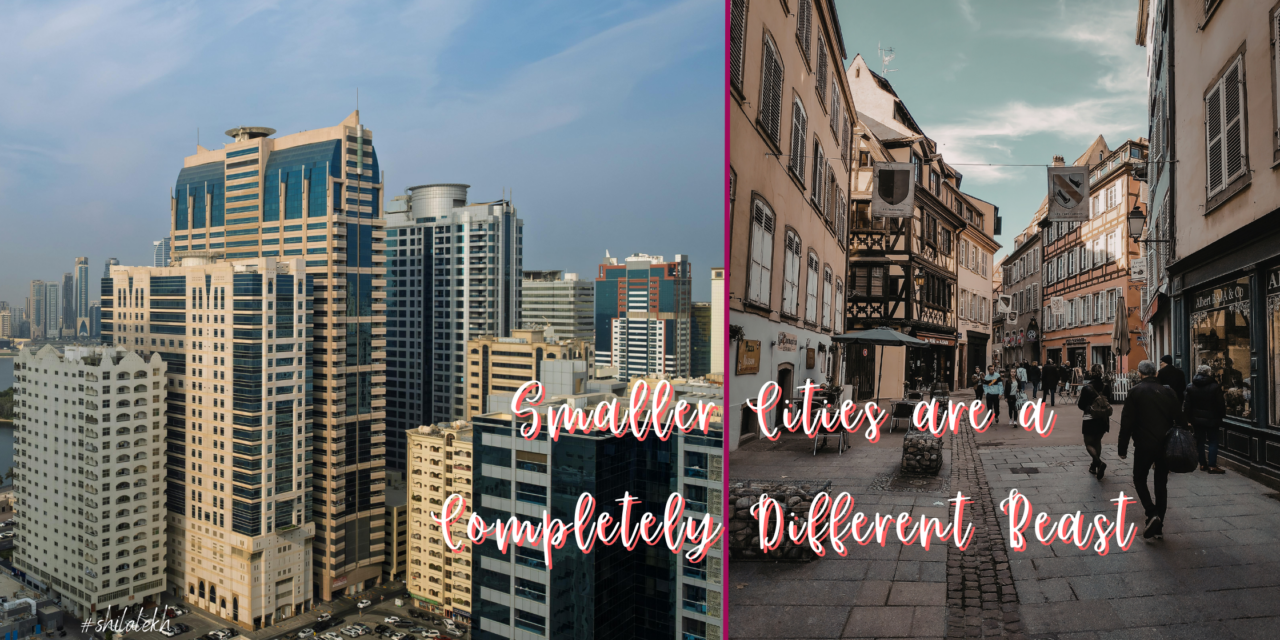
Here is what I know now that I didn’t know then: the problem was never the people. The problem was that I walked into Bokaro with a metro map and expected it to match the terrain.
It doesn’t. And it is never supposed to.
The Assumption That Breaks Every Plan
My husband and I have launched, run and closed down multiple businesses in Bokaro for over two decades — food outlets in the city’s only mall, a resort, event management, manpower provisioning. In all of them, one problem stayed constant: getting people to buy.
We operate two food outlets inside the Bokaro Mall — the city’s first and only major shopping mall, operational for the past 10 years. And from that vantage point, we have watched something play out over and over again.
The mall brings in managers from larger cities. Every new one arrives with confidence, city-trained instincts, and a system that worked somewhere else. Within months, confusion sets in. By the end, frustration. And then they leave.
And over the past decade, we have had quite the churn.
The challenge is always the same: they assume a smaller city is just a quieter and, well, smaller version of a bigger one.
Newsflash: It is not.
Research backs this up. A study on tier 2 and 3 consumer behaviour found that customers in these markets are fundamentally different from metro buyers — more price sensitive, less experimental, and far more deliberate about every purchase.
And we have experienced this first-hand. From both sides of the table.
But knowing they are price sensitive is only the first layer. It does not explain the why. And without the why, your strategy will keep failing.
Bokaro Is Not Just a Smaller City. It Is a Different System.
Most tier 3 cities have their own unique layers. Bokaro has a very specific one: the steel plant economy.
SAIL — Steel Authority of India Limited — built this city. Thousands of fresh graduates from all over the country came to build and then operate it. They worked, got married, raised children, brought in more family members from back home here. The result is a social ecosystem that functions less like a consumer market and more like a large extended family. Most people either worked at the plant, or their parents did. They know each other. They are connected by neighbourhood, by department, by decades of working together.
That changes the rules of commerce completely.
Here is the thing: when everyone knows everyone, the line between professional and personal disappears.
A customer is also a neighbour.
A vendor is also a family acquaintance.
That proximity carries weight. And expectations.
So let’s discuss the different dynamics at play here.
What’s the Discount For Me?
In a metro, a stranger walks into your restaurant. They see the menu. Order. And they pay.
In Bokaro, the person walking in may know your mother-in-law, have studied with your husband, or belonged to the same steel plant township block.
And because of that connection, they expect something different.
A discount. A complimentary dish. A “family rate.”
This is not rudeness. It is a deeply ingrained social contract.
The problem is that no manager trained in Pune or Hyderabad has a framework for this. They see it as a pricing problem although it is not.
It is a relationship economy, and fighting it head-on will cost you more than working with it.
The practical shift is to build relationship perks deliberately into your model. Make them structured, not spontaneous.
Here is how we handle this:
At the food outlets we have a defined discount tier for acquaintances, friends and family.
Spontaneous discounts bleed revenue and confuse the people working the till.
Structured loyalty for your inner circle simultaneously becomes a tool and a boundary. A boundary to hedge against loss and a tool to foster goodwill. Because these people are also your best brand ambassadors. Your word-of-mouth marketing channels.
The Spending Paradox
Here is what confuses most outsiders most.
Bokaro residents are not broke. Many households have stable, multi-generational income from SAIL pensions, government jobs, or inherited property. Disposable income exists.
But it does not get spent here.
The wallet opens on vacation. It opens on the trip to visit a son in Bangalore or a daughter in Dubai. The new phone, the branded bag, the fine dining experience — that happens outside Bokaro.
Back home, spending on anything beyond necessity feels like an indulgence without a reason.
Research from the beauty and consumer goods sector describes exactly this tension. It found that tier 3 consumers have disposable income, but they are far more particular about how they spend it. They are value-driven, well-researched, and demanding of facts before they open their wallets.
The implication for founders is clear. You are not competing with other local businesses for wallet share. You are competing with the idea that this city is not the right place to spend. That is a positioning challenge, not a pricing one.
The Time Freeze
Walk into most social gatherings in Bokaro and you will find a room that is largely 60-plus.
The older demographic runs this city socially. They set the tone, the norms, and in many cases, the spending culture. And their mental model of Bokaro is frozen somewhere in the 1970s and 80s — when the city was a self-sufficient township, when consumerism was low, when frugality was a value and not just a habit.
Here is what makes this interesting: these same people, when they visit their children in metros or abroad, are completely different. Upwardly mobile, curious, willing to spend. They come back and revert to their old habits.
The city itself triggers the old self.
No manager having experience just of a tier 1 city has a playbook for this. They are trained for aspirational consumers. Here, aspiration and spending are geographically separated — aspiration lives outside, spending restraint lives at home. Tough, but true.
Businesses Need Adaptability
Research on India’s tier 2 and 3 markets notes that businesses must have a flexible and adaptive approach and cannot simply replicate strategies from larger cities.
The unique characteristics of these markets demand that brands genuinely understand local behaviour before they try to change it.
The real problem is not the manager’s experience. It is the assumption that experience from one context automatically transfers to another. It does not.
The only thing that is transferrable here is adaptability. The willingness to spend real time understanding why people behave the way they do here, before trying to change it.
What the Operating Manual Actually Looks Like
None of this means tier 3 cities are bad markets.
Bokaro, like many tier 3 cities, has real economic activity, stable household income, and a consumer base genuinely willing to spend but on the right things, framed their way. The founders who do well here are the ones who stopped fighting the culture and started mapping it.
Here is what that shift looks like in practice.
First, accept the relationship economy and build it into your model intentionally. Know who your inner circle is, give them something structured, and protect your pricing everywhere else. Spontaneous discounts bleed revenue. Structured loyalty becomes a tool and a boundary.
Second, reframe your value proposition. Stop selling luxury or aspiration. Sell reliability, familiarity, and value-for-money. These words carry real weight here in a way that “premium experience” simply does not.
Third, hire for adaptability, not just experience. A manager who has only worked in tier 1 cities is not automatically your best choice. Someone who understands smaller city social dynamics — or is willing to learn them — will outperform them consistently.
Finally, build your benchmarks from local data, not national averages. Footfall patterns, average order value, upsell rates — these all look different here. Stop measuring yourself against a city you are not in.
Founders who do this stop losing money to misread signals. They stop cycling through managers. They stop blaming the market for not responding to strategies built for a different one. The business gets simpler — because the map finally matches the terrain.
Twenty Years Later, the Walls Are the Same
Remember that young digital marketer sitting across from me? His frustration is real. And it is familiar.
He will figure it out, the way we did. But it will take less time if he stops trying to solve it with a metro strategy.
If you are building in a tier 3 city — or planning to enter one — start with one question before anything else: What do I actually know about how this place works? Not the economy or the job scene, but the people.
Remember what you have read in a market report or what the national data says, but be ready to listen to the signals being sent out locally.
That is the only map that works.
Have you built or managed a business in a tier 3 city? I would like to hear what surprised you the most — drop it in the comments.